Bookbinding Cover Materials
Professional bookcloths for the production of books, calendars, notebooks, packaging, and paper goods
Bookcloths are high-quality materials used in the production of books, packaging, and printed products. We offer a wide selection of PVC, paper, cloth, flock, and cork bookcloths, ideal for premium bindings, calendars, albums, and elegant boxes. With durable textures and aesthetic finishes, our materials are suitable for both manual and automated bookbinding processes.
Types of bookbinding covering materials
Below you’ll find a short comparison and practical tips to help you choose the right material for your application—from book and album binding to premium packaging.
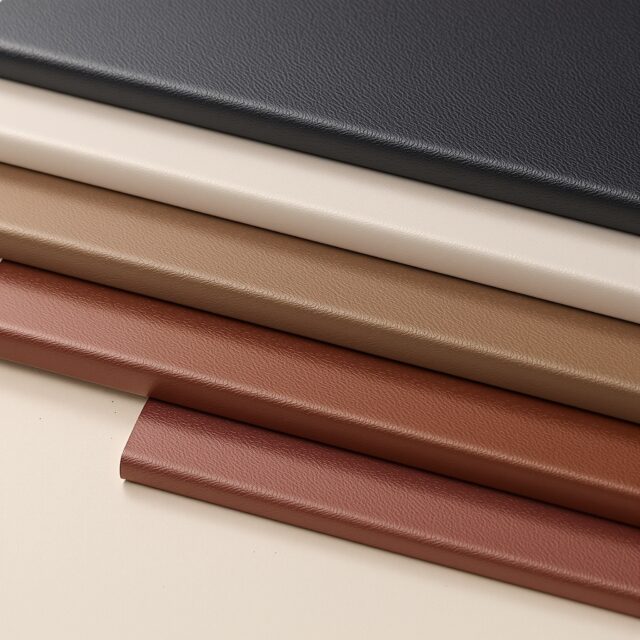
PVC bookcloths - basic
Basic series PVC bookcloths are durable, high-quality materials ideal for binding books, calendars, and cardboard packaging.
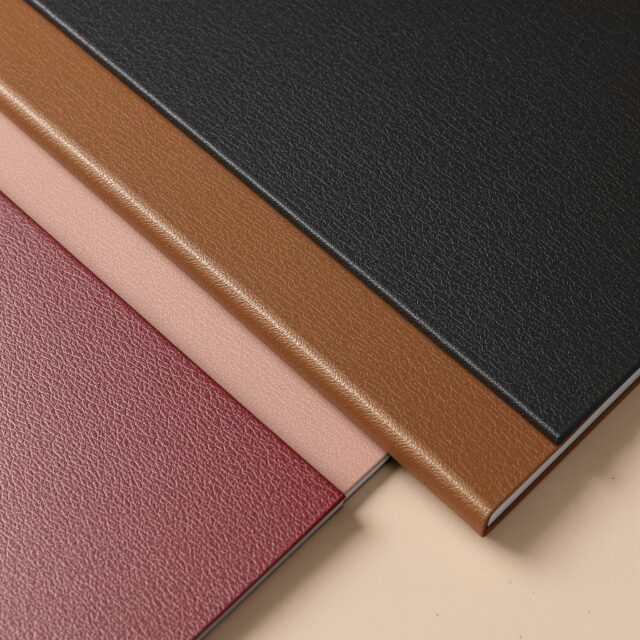
PVC bookclothes - classic
Classic series PVC bookcloths feature elegant, timeless textures and high durability, making them ideal for book, album, and packaging bindings.
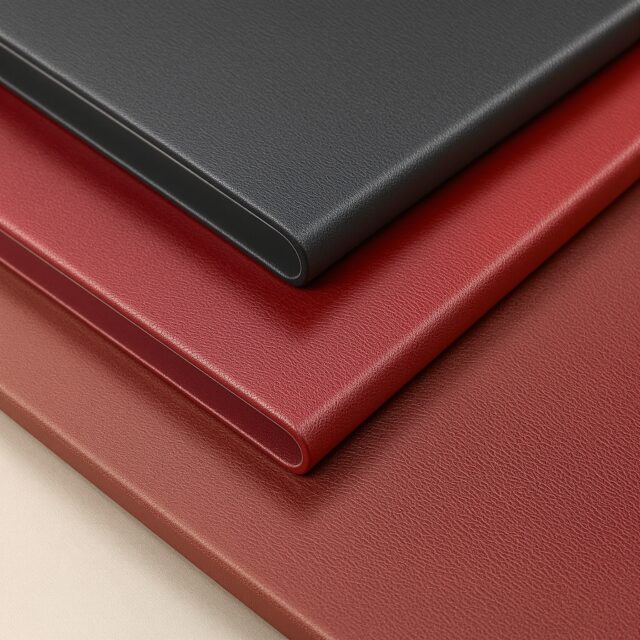
PVC bookcloths – decorative
Decorative PVC bookcloths offer modern, striking textures and finishes that give bookbinding projects a unique character.
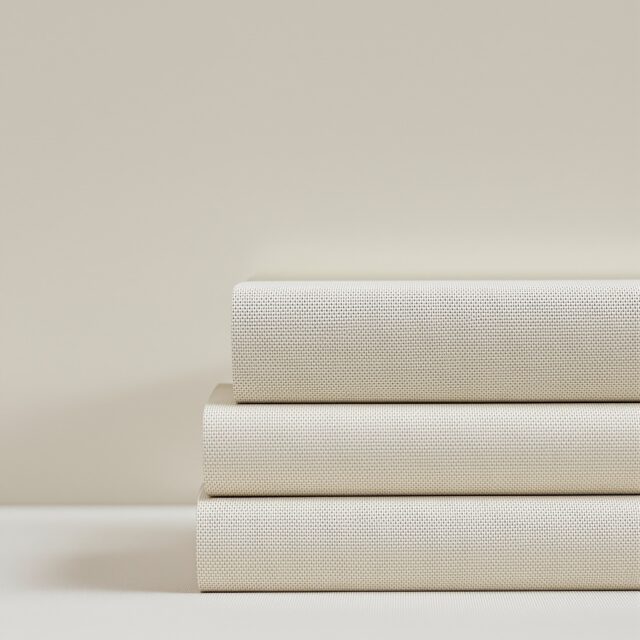
Bookbinding canvas
Bookbinding canvas are elegant and exceptionally durable materials with a natural woven texture, ideal for binding books, albums, and premium projects that require a classic character.
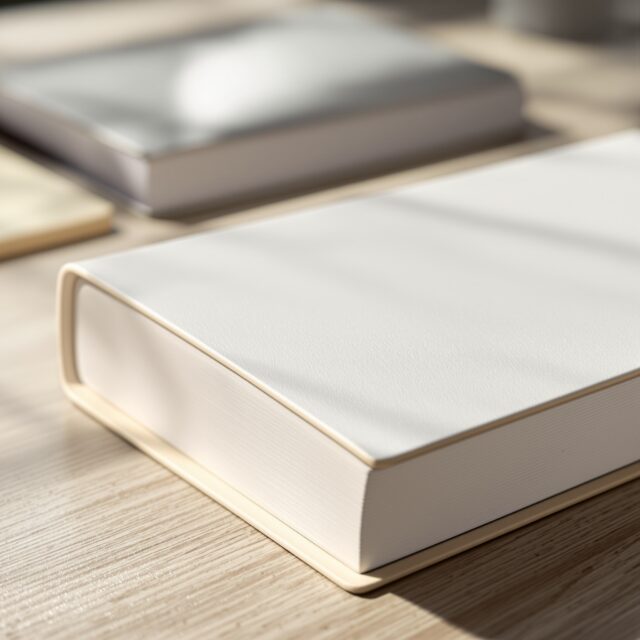
Paper bookcloths - books
Paper bookcloths are versatile, easy-to-process materials that allow for printing and finishing, making them ideal for creating aesthetically pleasing and durable bindings.
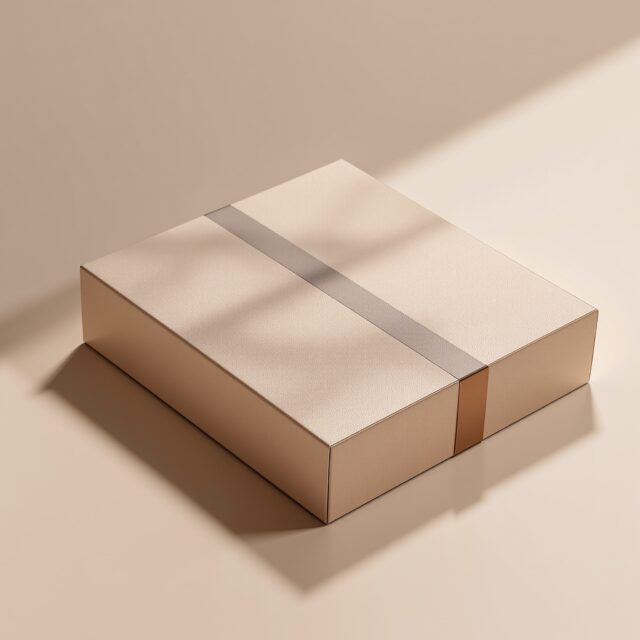
Paper bookcloths - packaging
Paper coverings for packaging are durable and aesthetically pleasing materials available in a variety of textures and colors, ideal for creating boxes, premium packaging, and decorative products.
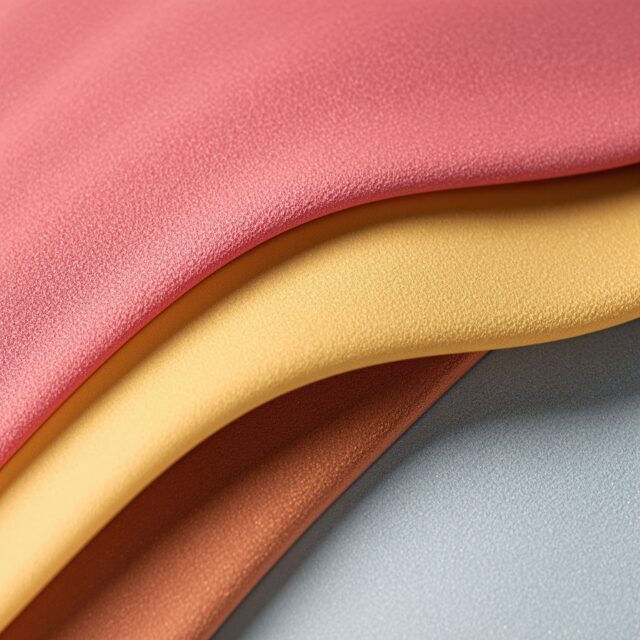
Flocked and cork bookcloths
Flocked and cork bookcloths are exclusive materials with unique textures—flock provides a velvety finish, while cork offers a natural, organic character—making them ideal for elegant bindings, boxes, and premium projects.
Which bookcloth will be best for your project?
Choosing the right bookcloth depends on the intended use of the product and the desired visual effect. Classic PVC bookcloths or bookbinding cloths work best for book and calendar bindings, while decorative paper coverings, flock, or cork are ideal for packaging and premium materials. If you value elegance and durability, opt for higher-end products designed specifically for projects requiring exceptional quality.
How to choose a covering material — 5 steps
Define the application: a practical binding, a book/album, or premium packaging?
Set the priority: durability or appearance? PVC usually wins on durability, while cloth/flock/cork stands out for character and a “premium feel.”
Finishing options: if you plan embossing/hot stamping, choose a material that performs well under pressure and heat.
Run size and consistency: for larger series, more stable materials that are easy to process are usually a better choice.
Production trial: before making the final decision, test the selected material in your target technology (gluing, embossing, creasing/scoring).
For books and albums
- PVC bookcloths - basic
- PVC bookcloths - classic
- Bookbinding canvas
- Paper bookcloths
- Flocked bookcloths
- Cork bookcloths
For packaging
- Paper bookcloths
- Bookbinding canvas
- PVC bookcloths - decorative
- Flocked bookcloths
- Cork bookcloths
For premium projects
- PVC bookcloths - decorative
- PVC bookcloths - classic
- Bookbinding canvas
- Paper bookcloths
- Flocked bookcloths
- Cork bookcloths
FAQ - bookbinding covering materials
Which bookbinding covering materials are the most durable?
Usually, PVC vinyl covering materials offer the highest durability in everyday use. They work well when the cover needs to flex, is handled frequently, and is exposed to abrasion.
What should you choose for book and album binding?
For books and albums, classic PVC coverings or bookbinding bookcloth are often chosen—depending on whether durability (PVC) or a refined, traditional look (cloth) is the priority.
Which covering material should you use for premium packaging?
Most often: decorative PVC, flock, or cork. These materials create the strongest “premium” impression and help the product stand out on the shelf.
Can you do embossing and hot stamping on covering materials?
In many cases, yes—but the key factors are the parameters of the specific material series and the process settings (pressure, temperature, dwell time). The safest approach is to run a trial on the target material before production.
When are paper covering materials the best choice?
When a natural look, printability/branding, or consistency with a paper-based packaging structure matters. Paper covering materials also work very well for eco-style projects.
When is a paper covering material a better choice than PVC?
Most often, basic PVC (or classic PVC if you want a more elegant effect). It’s a stable, repeatable solution for production.
How should you store covering materials so they don’t lose their properties?
Store them in a dry place at a stable temperature, away from direct light and heat sources. Avoid crushing and prolonged point pressure, as it can deform the surface.