
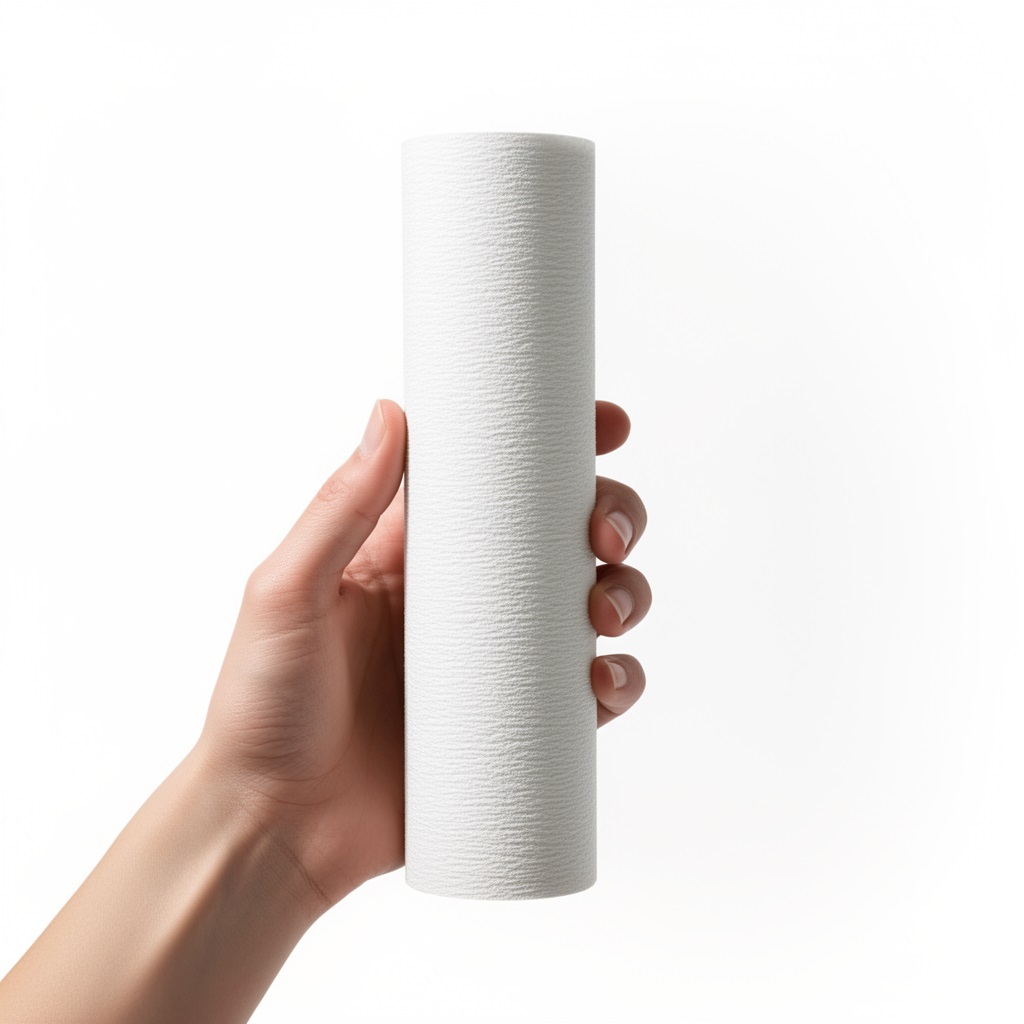
Crepe paper, thanks to its flexibility, improves the opening of the book and enhances resistance to intensive use in all types of books, calendars, or notebooks.
Bookbinding materials for book spines
Spine reinforcement materials for books and albums
Spine materials are a key element of durable and aesthetically pleasing bookbinding. We offer reliable solutions — from spine paper, merlin, and crepe to fleece — that ensure structural stability, flexible opening, and excellent finishing quality in books, albums, and premium products.
Materials for reinforcing book spines and bindings
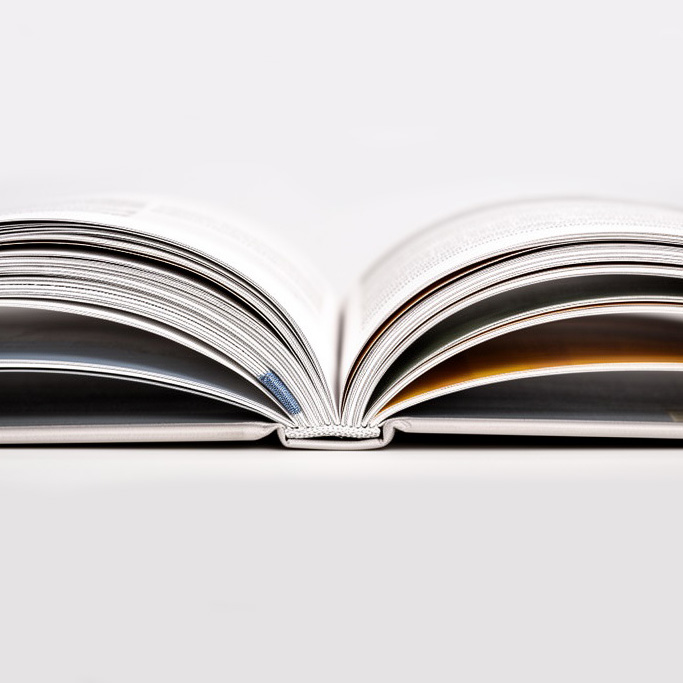
Spine cardboard
Spine board, commonly called spine cardboard, is a material used to reinforce the spine of a hardcover binding, ensuring structural durability and proper alignment of the cover.
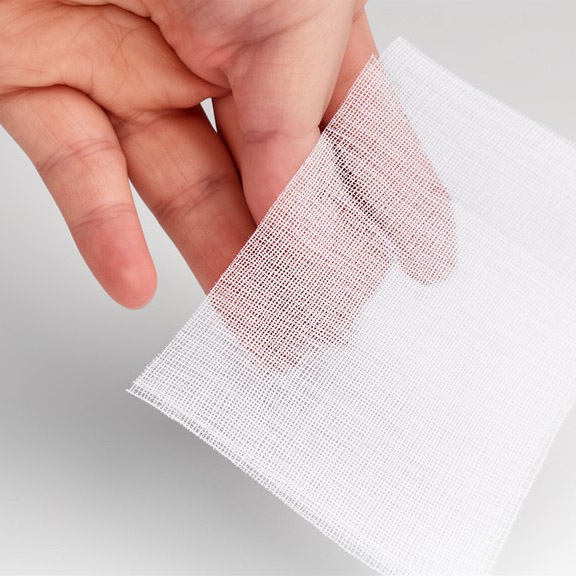
Bookbinding gauze
Bookbinding gauze is a flexible spine material used in hardcover bindings that enhances the durability of the entire structure of books, albums, or products where the highest quality of craftsmanship is essential.
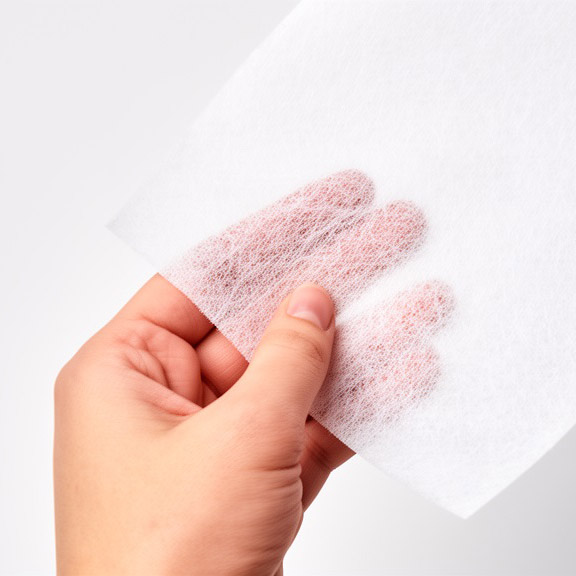
Bookbinding interlining / interfacing
Interfacing (fleece) is a thin reinforcement material used under coverings, cloths, and papers in book spines, providing extra resistance to cracking and spine flexibility, making it ideal for books, albums, and premium bindings.
Properties and applications of book spine materials
Book spine materials play a key role in the construction of a book binding, affecting both its durability and how the book opens. Spine board provides stability and rigidity to the structure, merlin and crepe paper contribute to flexibility and smooth spine movement, while interfacing (fleece) reinforces the surfaces under the covering, protecting them from cracking. Thanks to their diverse properties, each of these materials is used in different types of bindings — from classic books and albums to calendars, folders, binders, and premium products. Proper selection of spine material ensures an aesthetic finish, user comfort, and long-lasting durability of the entire binding.
Book spine cardboard
- Provides stability and rigidity
- Reinforces the structure
- Enhances durability
- Ideal for books and albums
Gauze
- Flexible and smooth opening
- Facilitates spine movement
- Recommended for books and albums
- Increases user comfort
Crepe paper
- Wavy structure – elasticity
- Performs well with frequent opening
- Ideal for notebooks and calendars
- Increases the spine’s resistance to wear
Interlining / Interfacing
- Reinforcement under the cover material
- Protects the spine from cracking
- Improves the binding’s flexibility
- Used with paper covering and cloth
How to choose spine and binding materials for bookbinding?
The choice of materials you need depends mainly on the type of binding you are producing—hardcover or softcover. The binding type determines how the book spine will behave: rigidly or flexibly. The type of product also matters (book, album, calendar) and how intensively it will be used. Below you’ll find a handful of useful tips to help you choose the right products.
Start with the binding type.
Hardcover binding (a board cover) needs structural reinforcement—this is where our spine board (backing board) works perfectly, cut to the width used in your process. In hardcover binding, a reinforcing layer is also often used; merla, merla-backed paper, crepe paper, or nonwoven (fleece) are ideal for this.
Match the material to the spine’s movement.
If you need maximum spine stability—a smooth, even shape, the right rigidity, and resistance to deformation—choose a spine board. To permanently reinforce the book block and its joint, we recommend merla cloth. For better flexibility and fit (the material “works” and lays well along the edges), crepe paper is used. To reinforce the cover under the covering material, choose nonwoven (fleece) backing.
The type of project matters.
Premium albums and representative publications can use a combination of products: spine board plus a reinforcing layer—merla cloth or nonwoven backing. For easier handling and a better fit of the material, you can also use crepe paper.
Notebooks, calendars, and mass production—wherever consistency and durability matter—use spine board for structural reinforcement, and choose merla cloth or nonwoven backing depending on your production process.
Books— for the best spine movement and durability, merla cloth or crepe paper is most commonly chosen. In many projects, the best results come from combining a structural element (spine board) with a reinforcing material—merla, crepe, or nonwoven backing. This makes the spine stable and helps prevent cracking during use.
FAQ – Book spine materials
What’s the difference between spine board and merla cloth?
A spine board (spine backing board) is mainly responsible for the spine’s structure and rigidity in the binding. Merla cloth is a reinforcing material that helps build durable joints and supports the spine as it flexes during use.
When should you use crepe paper?
Crepe paper is chosen when you need greater flexibility and a good fit—especially in areas where the spine needs to flex heavily during opening.
What is nonwoven backing (fleece) used for in bookbinding?
Nonwoven backing acts as a reinforcing and stabilizing layer, often used under the covering material or in areas where an even finish and improved durability are important.
Is a spine board required for every hardcover binding?
W większości klasycznych opraw twardych grzbietówka jest najprostszym sposobem na stabilny grzbiet, ale finalny dobór zależy od technologii i efektu (sztywno vs bardziej elastycznie).
How to choose materials for a premium album?
In most classic hardcover bindings, a spine board is the simplest way to achieve a stable spine, but the final choice depends on the technology and the desired result (more rigid vs. more flexible).
What should you choose if the book will be opened frequently?
The priority is durability and smooth spine movement, so you typically choose reinforcing materials (merla cloth and/or crepe paper) and a construction that won’t over-stiffen the spine.
Can I combine several materials?
Yes—in practice, spine board (stability) is often combined with merla/crepe/nonwoven backing (reinforcement, flexibility, finish). This makes it easier to match the binding to the product’s intended use.