
Textile materials for bookbinding
Professional textiles for the production of books, calendars, notebooks, and premium bindings
Textile materials for book, calendar, and notebook bindings—headbands, ribbon bookmarks, elastic bands for calendars and notebooks, and bookbinding threads—are essential components of professional print production. Our bookbinding textiles stand out for their durability, aesthetic finish, and rich color range, making them ideal for the production of premium books, personalized notebooks, and corporate calendars. By choosing our textile accessories, you gain high quality, compatibility with various binding techniques, and the assurance that the finished product will be functional, visually appealing, and resistant to intensive use.
Textile products for the printing industry

Headbands
Headbands are textile finishing elements of a book spine that reinforce the binding and give it an elegant appearance. Available in a wide range of colors and finishes, they are an essential component in the professional production of books, albums, and notebooks.

Bookmarks
Ribbon bookmarks are practical and decorative accessories that serve as bookmarks in books, calendars, and notebooks. Made from durable materials and available in a wide range of colors and textures, they enhance both the visual appeal and functionality of bindings.

Elastic band for notebook and calendars
Elastic bands provide convenient closure for calendars and notebooks, protecting their contents and enhancing product functionality. Available in various colors and widths, they are ideal for the production of premium notebooks and personalized items.
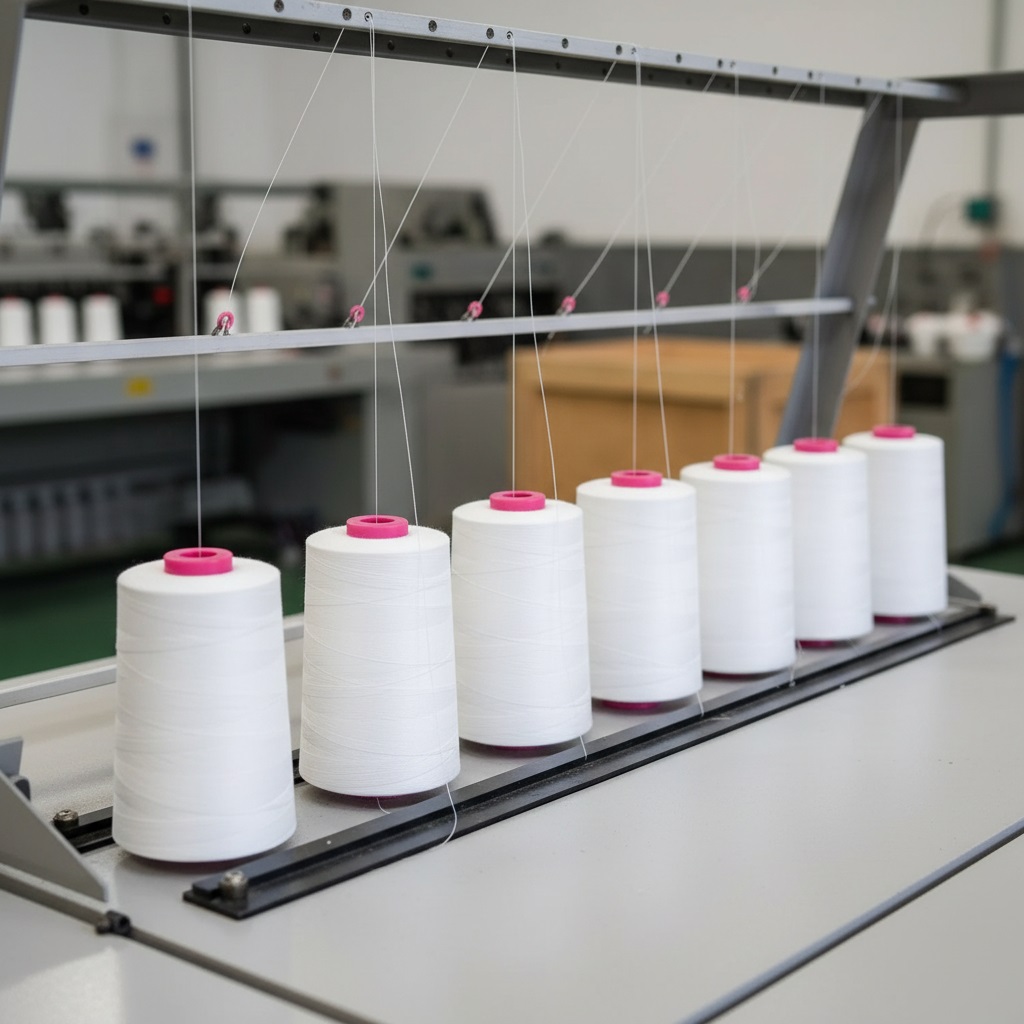
Threads for sewing book blocks
Bookbinding threads are durable materials used for sewing book blocks, ensuring the longevity and stability of the binding. They perform excellently in the production of books, albums, and premium projects, providing an aesthetic and strong connection between pages.
Properties and applications of textile materials in printing
Textile materials used in printing are characterized by high durability, flexibility, and aesthetic finishing, significantly enhancing the quality of bindings for books, calendars, and notebooks. Textiles such as headbands, ribbon bookmarks, elastic bands, and bookbinding threads ensure the structural stability of the binding, improve its functionality, and give products a professional character. Thanks to a wide variety of colors, textures, and technical parameters, these materials can be tailored to premium projects, personalized products, and mass production.
In the printing industry, textile materials are used both in traditional bookbinding and in modern industrial production. They reinforce book spines, serve as practical bookmarks, enable convenient closure of notebooks, and ensure durable sewing of book blocks. These elements have a direct impact on the exceptional durability of the binding and its final appearance, making books, notebooks, and calendars highly functional and visually appealing. Textile materials are a key component of professional print production, valued by printing houses, publishers, and manufacturers of premium products.
Durability and resistance
Textile materials are resistant to abrasion, stretching, and intensive use, significantly extending the lifespan of book, calendar, and notebook bindings.
Aesthetic finish
Textiles add a premium character to products—headbands, ribbon bookmarks, and elastic bands enhance the appearance of the binding and give it a professional, refined finish.
Functionality
Ribbon bookmarks, threads, and elastic bands increase user comfort—they make it easier to mark pages, close notebooks, and ensure stable product construction.
Universal application
Textile materials are well suited for the production of books, calendars, notebooks, and premium products, offering a wide range of applications in bookbinding and printing houses.
Frequently Asked Questions about textile materials for bookbinders
Which bookbinding textile materials are included in our offer?
Headbands, bookmark ribbons, elastic bands for notebooks and planners, and bookbinding threads. The selection depends on the product format and the effect you want to achieve.
What is bookbinding headband (kapitałka) and what is it used for?
A headband is a finishing element applied to the top and bottom of the book block spine. It enhances the appearance of the binding and helps protect the spine edges.
What is a bookmark ribbon used for?
A bookmark ribbon makes it easy to quickly find your place in a book, notebook, or planner. It also enhances the perceived quality of the product.
How do you choose the color of a bookmark ribbon?
Most often, it is matched to the cover, branding, or other accessories (e.g., headbands). A consistent color palette throughout the project is considered good practice.
How do you choose the bookmark ribbon width for a given format?
For smaller formats, narrower ribbons usually work better, while wider ones are preferred for larger or premium projects. The width should be chosen so that it is proportional to the spine and the overall binding. The most commonly selected satin ribbons are 3 mm or 6 mm wide. Other available widths include 8 mm, 10 mm, 12 mm, and 15 mm. Woven-structure ribbons are available in 5 mm, and in some projects, 7 mm is also used.
How do you choose an elastic band for a notebook or planner?
The elastic band should hold the product closed securely without deforming the cover. Its width, elasticity, and abrasion resistance are the key factors.
Which bookbinding thread should you choose for sewing the book block?
The choice depends on the sewing method (hand or machine), the type of paper, and the required durability. If the thread is visible, it’s a good idea to match its color to the design.
Can I order samples of the textile materials?
Yes—samples allow you to assess the color and texture and match the accessories to the cover and paper before ordering.
Can colors vary between production batches?
Small shade variations may occur between textile batches. We make every effort to ensure that our products are as consistent in color as possible.
What information is needed to prepare an offer?
Type of material, application (book/notebook/planner), color, quantity/run size, and any specific requirements (e.g., elastic band width or ribbon style).